Financial
- Monthly rent: $25,000
- Annual rent: $300,000
- Rent per SF/month: $20.83
- Rent per SF/year: $250.00
- Approximate monthly cost per 1,000 SF: $20,833
- Lease length: To be confirmed / negotiable
- Additional charges: To be confirmed
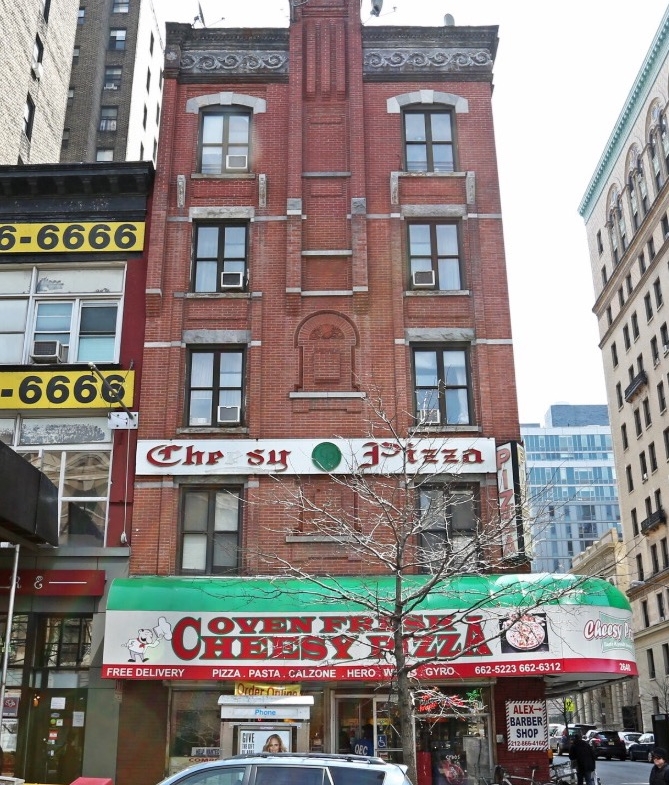
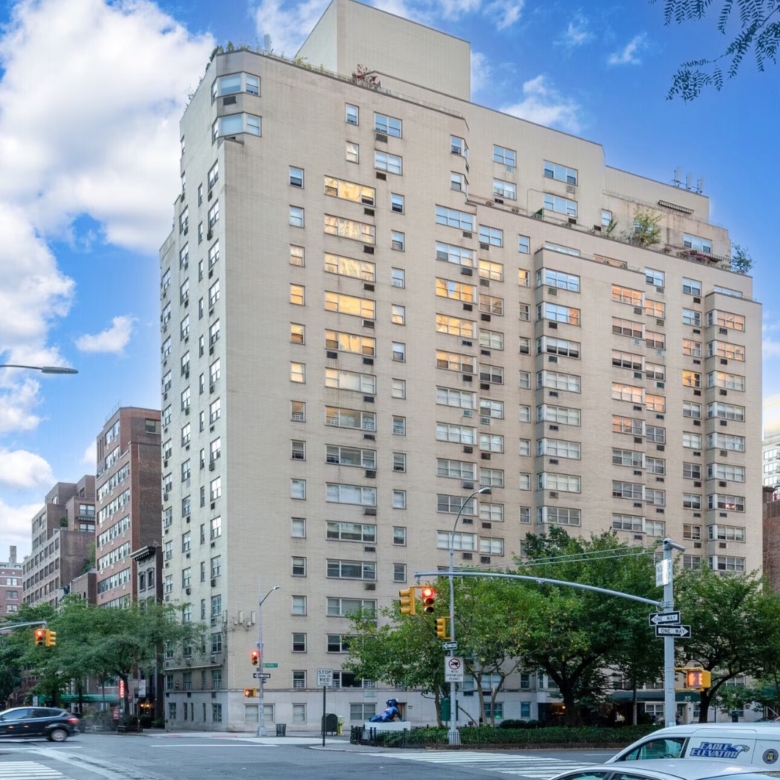
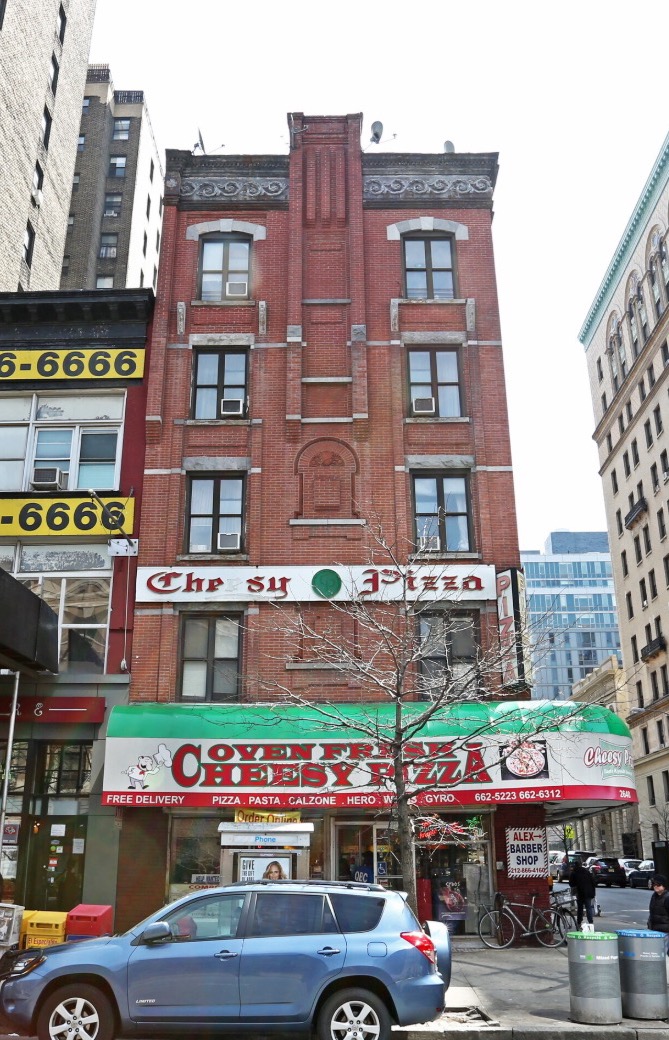
The location is a major strength. 2640 Broadway is at West 100th Street, positioning the storefront directly on the Broadway retail corridor in Manhattan Valley / the Upper West Side. The property is surrounded by a dense residential population and benefits from neighborhood pedestrian traffic, restaurants, food businesses, services, and proximity to Columbia University and the broader Upper West Side customer base.
Transportation is particularly convenient. The 103rd Street 1 train is approximately 0.15 miles away, while the 96th Street 1/2/3 station is roughly 0.22–0.24 miles away. This provides strong subway access for both neighborhood customers and employees coming from other parts of Manhattan.
The surrounding area can work particularly well for food and beverage, specialty food, café, quick-service restaurant, fitness/wellness, beauty, pharmacy, convenience retail, pet-related businesses, or other neighborhood-oriented concepts. Because Broadway serves as one of the primary commercial corridors on the Upper West Side, the storefront potentially benefits from much stronger visibility than a side-street location.
An important point is that 2640 Broadway was occupied for decades by Cheesy Pizza, which reportedly closed in July 2026 after operating on the Upper West Side for more than 35 years. That history indicates that the location has supported a long-term food-and-beverage operation, although any existing restaurant infrastructure should be independently verified rather than assumed to remain in place.
Compared with 215 W 101st Street, the economics are substantially more expensive. The 215 W 101st Street space was asking approximately $141.18/SF/year, versus $250/SF/year here. Therefore, 2640 Broadway is approximately 77% more expensive per square foot.
The total monthly commitment also increases significantly from $10,000 to $25,000, while the space only increases from 850 SF to 1,200 SF. In other words, you are paying 150% more monthly rent for approximately 41% more space. The premium needs to be justified primarily by Broadway frontage, visibility, pedestrian traffic, and potentially valuable existing restaurant infrastructure.
Compared with 152 Stanton Street, 2640 Broadway is also significantly more expensive on a normalized basis: $250/SF/year versus $180/SF/year, making Broadway approximately 39% more expensive per square foot. However, Stanton carries a higher total monthly rent at $30,000 versus $25,000 because it provides 2,000 SF versus 1,200 SF.
Compared with 168 Suffolk Street, the difference is even larger: $250/SF/year versus approximately $174.55/SF/year, making 2640 Broadway approximately 43% more expensive per square foot.
Compared with 232 Mott Street, Broadway is approximately 25% more expensive per square foot, at $250/SF/year versus $200/SF/year.
Compared with 273 Mott Street, the pricing is roughly comparable on a normalized basis: $250/SF/year versus approximately $246.58/SF/year. This means 2640 Broadway is effectively being priced at a level similar to one of the more expensive downtown retail opportunities you have reviewed.
The 1,200-SF footprint is a useful size for a meaningful neighborhood retail or food-and-beverage operation. It is large enough to support customer seating, service areas, kitchen or preparation space, storage, and back-of-house functions, depending on the configuration.
At $25,000 per month, however, the business will need meaningful sales volume to support the occupancy cost. For a restaurant or food concept, the presence of existing venting, gas, kitchen infrastructure, grease traps, or other improvements could materially improve the economics by reducing upfront construction costs.
I would confirm ground-floor SF, any basement or storage inclusion, storefront frontage, ceiling height, signage rights, HVAC, electrical capacity, bathrooms, delivery condition, ADA accessibility, and any real-estate-tax or CAM charges.
For food and beverage use, I would specifically verify existing venting and hood systems, gas service, grease trap, plumbing, kitchen infrastructure, certificate of occupancy, liquor-license feasibility, permitted use, outdoor seating potential, and whether any equipment from the previous restaurant remains.
I would also clarify whether the $25,000/month is gross or modified gross, because additional real-estate-tax increases, CAM, insurance requirements, utilities, or other expenses could push the effective occupancy cost materially above the stated $250/SF/year.
Overall, 2640 Broadway is a strong-location but expensive Upper West Side retail opportunity. The Broadway and West 100th Street frontage, dense residential surroundings, nearby subway access, and history as a long-standing food location are meaningful positives. However, at $250/SF/year, the asking rent is considerably higher than the nearby 215 W 101st Street option and most of the downtown retail spaces you have reviewed.