Financial
- Monthly rent: $10,000
- Annual rent: $120,000
- Rent per SF/month: $11.76
- Rent per SF/year: $141.18
- Approximate monthly cost per 1,000 SF: $11,765
- Lease length: To be confirmed / negotiable
- Additional charges: To be confirmed
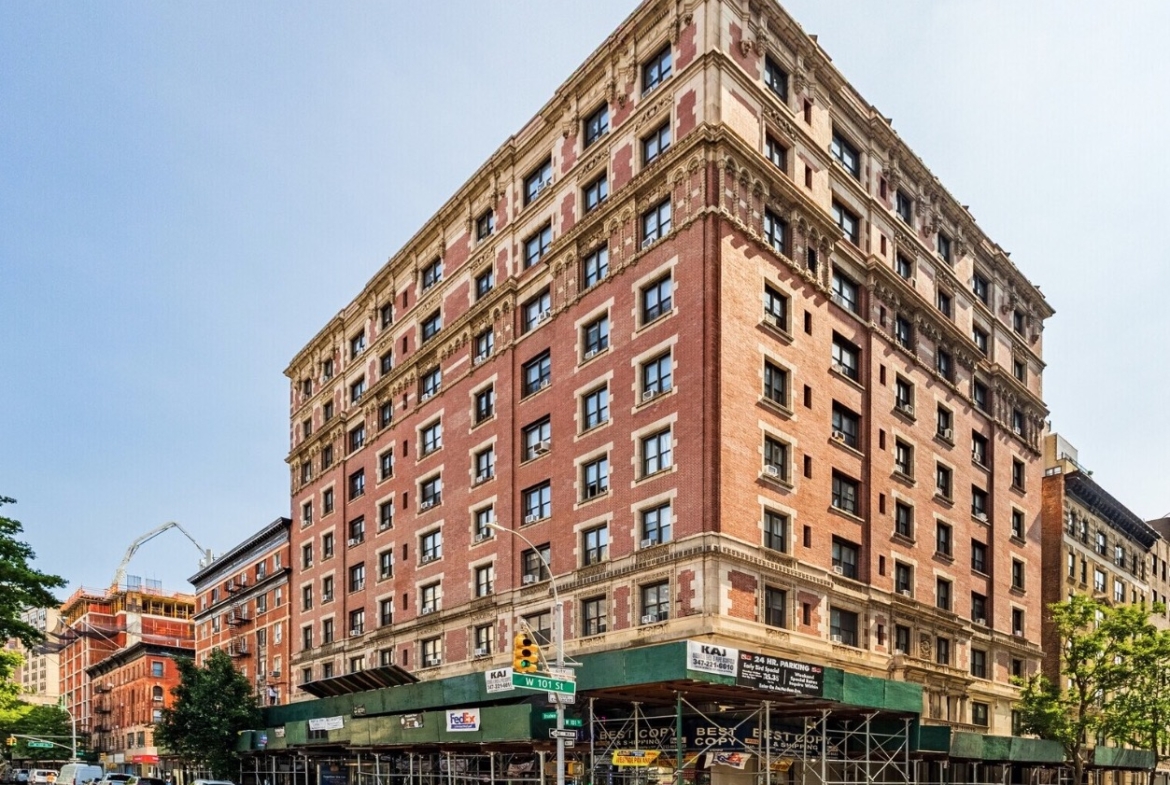
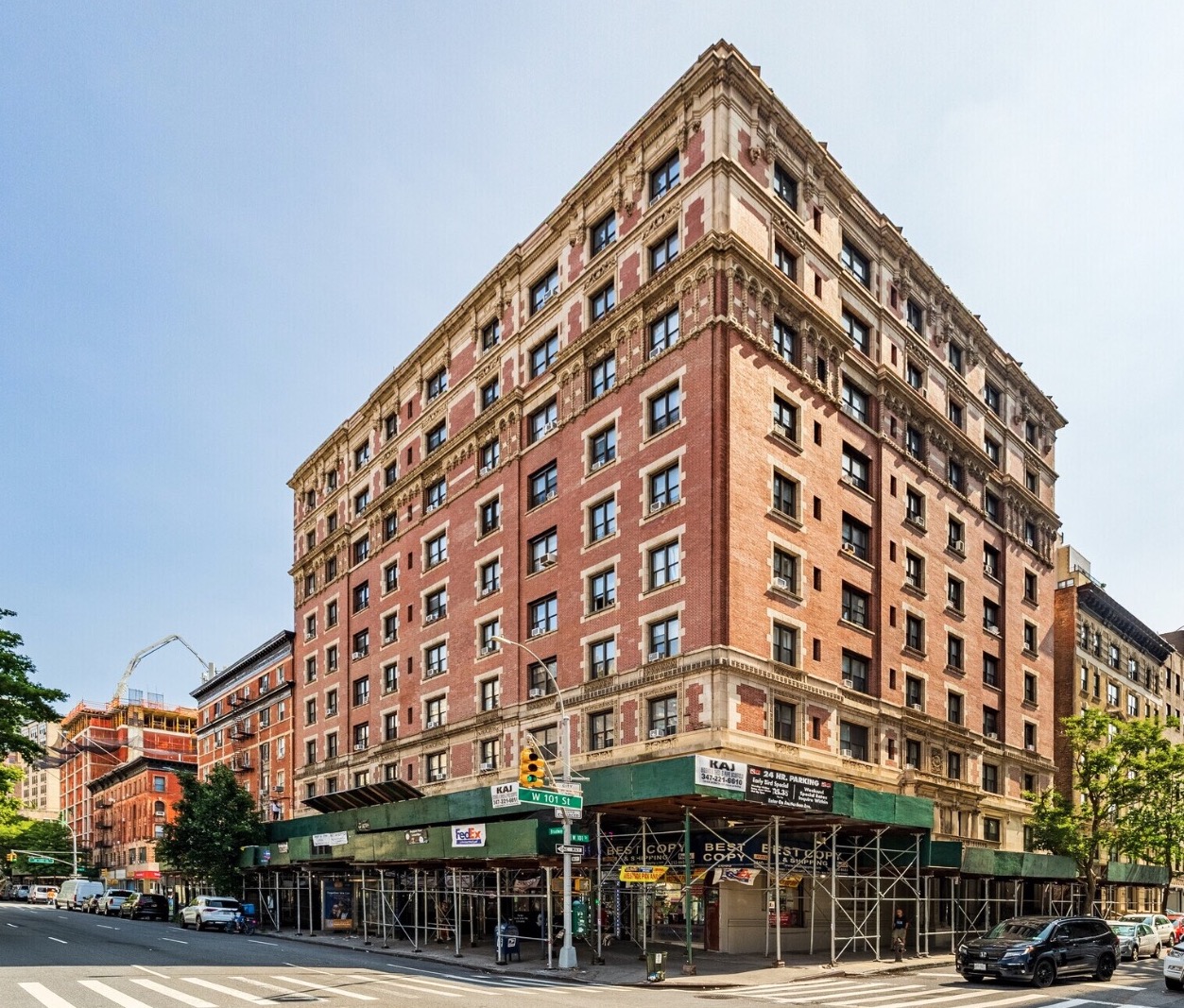
The location is a major strength. 215 W 101st Street is also known as 2660 Broadway, placing the retail space directly on the Broadway corridor at West 101st Street in Manhattan Valley, within the broader Upper West Side market. The property contains both residential and commercial uses, providing the space with a built-in neighborhood customer base as well as exposure to Broadway pedestrian traffic.
Transportation is particularly convenient. The 103rd Street 1 train station is less than 500 feet away, while the express 1/2/3 trains at 96th Street are approximately 0.3 miles away. This gives the location strong accessibility for customers and employees from both uptown and downtown Manhattan.
The surrounding area is primarily a dense residential Upper West Side/Manhattan Valley neighborhood, making the space potentially attractive for businesses that depend on repeat neighborhood customers rather than purely destination shopping. Concepts such as food and beverage, café, specialty food, beauty, wellness, boutique fitness, convenience retail, pet-related services, medical/wellness, or neighborhood-oriented service businesses could be a strong fit depending on permitted use and existing infrastructure.
Compared with 152 Stanton Street, this space is substantially cheaper on a normalized basis: $141.18/SF/year versus $180/SF/year. West 101st Street is therefore approximately 22% cheaper per square foot, while the total monthly rent is just $10,000 versus $30,000. The tradeoff is a much smaller footprint at 850 SF versus 2,000 SF.
Compared with 168 Suffolk Street, the economics are also favorable: $141.18/SF/year versus approximately $174.55/SF/year, making West 101st Street approximately 19% cheaper per square foot. It also provides 850 SF versus 550 SF, giving the tenant roughly 55% more space.
Compared with 232 Mott Street, West 101st Street is approximately 29% cheaper per square foot, at $141.18/SF/year versus $200/SF/year, and the monthly commitment is lower at $10,000 versus $15,000.
Compared with 273 Mott Street, the difference is even more significant: $141.18/SF/year versus approximately $246.58/SF/year. West 101st Street is therefore approximately 43% cheaper per square foot.
A recent marketing brochure for retail space at this same address identified the property as being at Broadway and West 101st Street and marketed a larger retail configuration at approximately $152/SF/year. That brochure also referenced restaurant infrastructure, including ventilation and basement access, although it described a different 1,500-SF configuration, so those features should be independently confirmed for this specific 850-SF space.
The 850-SF footprint is well suited for a smaller retail concept that prioritizes efficient selling space and manageable occupancy costs. At this size, the layout becomes especially important because even a relatively small amount of non-selling area can materially affect the effective cost per usable square foot.
I would confirm ground-floor SF, whether any basement or storage space is included, storefront frontage, ceiling height, window exposure, signage rights, HVAC, electrical capacity, bathrooms, delivery condition, ADA accessibility, and any additional real-estate-tax or CAM charges.
For food and beverage use, I would also verify venting, gas, grease traps, kitchen infrastructure, liquor-license feasibility, occupancy limits, outdoor-seating potential, and permitted use. Previous marketing for the address has referenced restaurant infrastructure, but it should not be assumed that the same infrastructure is included with this particular space.
Overall, 215 W 101st Street looks like a relatively attractive small-format Upper West Side retail opportunity at $10,000 per month. At approximately $141.18/SF/year, it is cheaper on a normalized basis than the Stanton, Suffolk, and Mott Street retail options you have reviewed. Its strongest attributes are the Broadway location, dense residential surroundings, excellent subway access, manageable total monthly rent, and neighborhood-oriented customer base. If the full 850 SF is productive ground-floor retail with good frontage and limited additional charges, this could represent strong value for a smaller neighborhood retail or food-and-beverage concept.